Breath, Pause, Release: The Emotional Rhythm of Underwater Figures
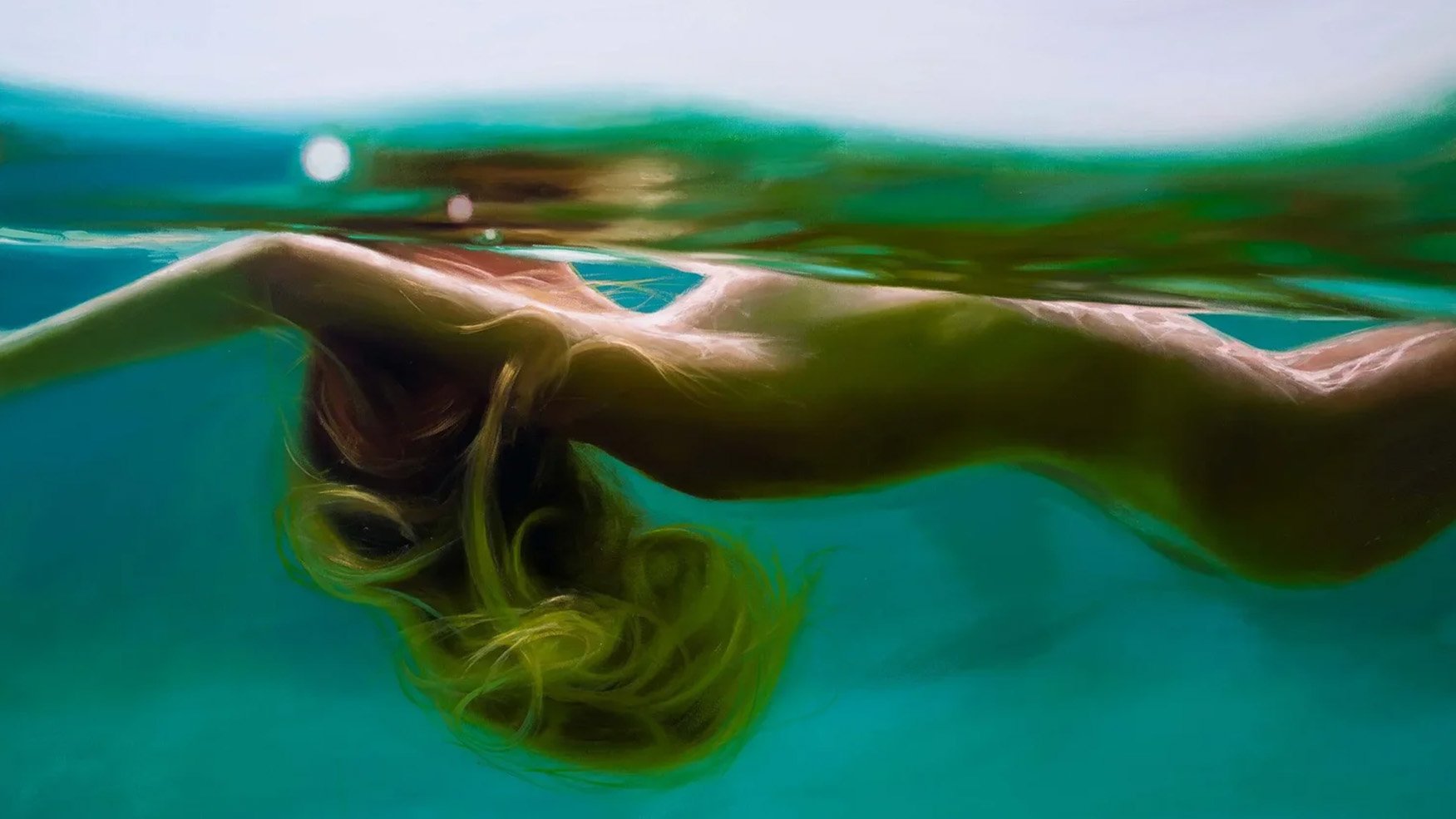
Submersion introduces a distinct relationship to time. The body enters water with a finite resource, breath, and every movement exists within that constraint. Even in apparent stillness, the knowledge of eventual surfacing remains. This temporal condition shapes how underwater figures are experienced, both visually and emotionally.
The underwater figure occupies a state of suspension. Neither fully at rest nor in motion, the body exists within a pause that cannot be sustained indefinitely. This awareness infuses the work with quiet tension. A hand reaching upward suggests more than a compositional choice. It implies duration, anticipation, and the physical necessity of return.
These paintings often function as studies in psychological as well as physical suspension. The submerged figure exists between environments, between withdrawal and reentry. The water offers temporary removal from the surface world while maintaining an unavoidable connection to it. The result is a state that feels both chosen and limited.
Breath structures this experience even when it is not explicitly depicted. Its presence is felt through absence, through subtle bodily cues, through the space surrounding the figure. Bubbles rising toward the surface, the expansion of the chest, or the slight distortion around the face register as traces of something essential yet unseen.
This condition introduces vulnerability without collapsing into fragility. The figure underwater appears capable and composed, yet dependent on a diminishing resource. Control and necessity coexist. The pause requires effort. Remaining submerged is an active choice rather than passive drift.
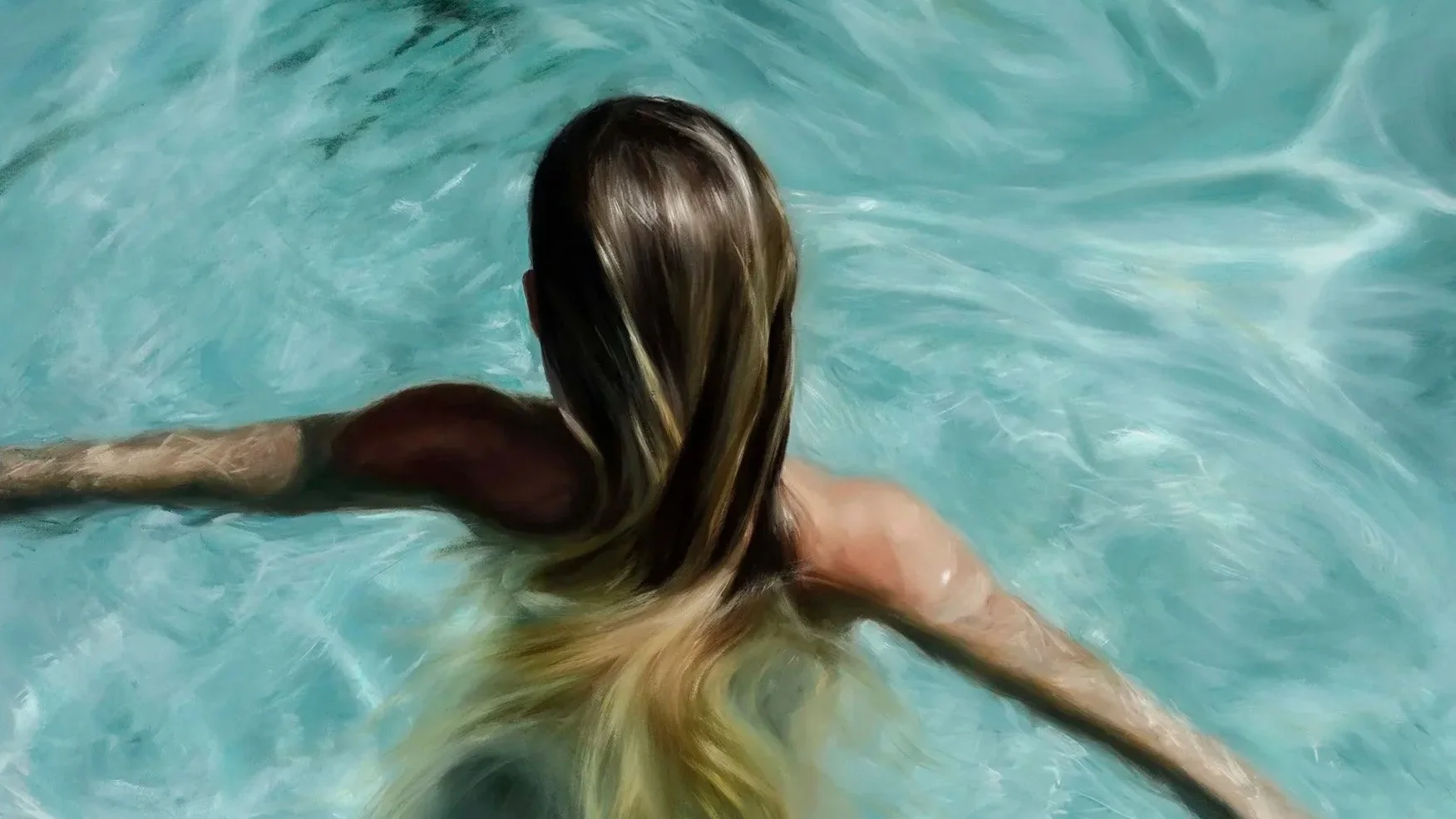
The emotional register of these works resists singular definition. Some images suggest calm or introspection. Others introduce unease, compression, or quiet urgency. Most exist somewhere between these poles. The water slows movement, making gestures appear deliberate even when they are not. This enforced slowness creates space for emotion to register visually.
Viewers often project their own relationship to breath onto these images. For some, the held breath reads as suffocating. For others, it feels familiar or meditative. The same image can support multiple interpretations because breath itself is both universal and deeply personal.
Technically, this rhythm is conveyed through accumulation of detail rather than overt narrative. The tension in a neck muscle, the position of the shoulders, the distribution of weight, and the behavior of hair and fabric all suggest where the body exists within the cycle of inhale, hold, and release. Time collapses into a single moment that contains both what precedes it and what must follow.
Rather than offering resolution, these paintings remain attentive to transition. They focus on thresholds, moments that resist categorization. The instant before surfacing. The pause that holds both relief and urgency. In attending to these states, the work allows complexity to remain intact, emphasizing presence over explanation and sensation over conclusion.